Plumbing Considerations When Adding A Bathroom To A Home
People adding a bathroom to a home often need help with plumbing considerations when adding a bathroom to a home, and local contractors can handle the installation to ensure proper water supply and drainage.
Adding a bathroom to a home can be a smart way to increase comfort and enhance property value, but it also involves important plumbing considerations that need careful planning. Property owners in the area exploring this upgrade often seek guidance on how existing plumbing systems can support a new bathroom, and what adjustments might be necessary to ensure everything functions smoothly. Understanding these practical aspects can help prevent costly surprises down the line, making it essential to work with local contractors experienced in bathroom plumbing installation who can assess your space and provide tailored solutions.
Whether expanding an existing layout or converting a different area into a bathroom, the success of the project depends heavily on proper plumbing setup. Local service providers can evaluate factors like water supply, drainage, and venting to ensure the new bathroom operates efficiently and reliably. Keeping these considerations in mind can make the addition process more straightforward, and connecting with experienced professionals ensures that the plumbing installation aligns with your home's needs and future plans. Keep reading to learn more about what to consider when adding a bathroom and how local experts can assist with the process.
- When planning to add a bathroom, local contractors assess existing plumbing layouts to ensure proper connections and flow. - For home renovations involving an additional bathroom, service providers evaluate the best placement for plumbing fixtures to optimize space and function. - During bathroom additions, local pros handle rerouting or extending water supply and drain lines to accommodate new plumbing needs. - When upgrading or modifying existing plumbing systems for a new bathroom, local contractors ensure code compliance and efficient operation. - For conversions or conversions of spaces into bathrooms, service providers analyze current plumbing infrastructure to facilitate seamless integration.
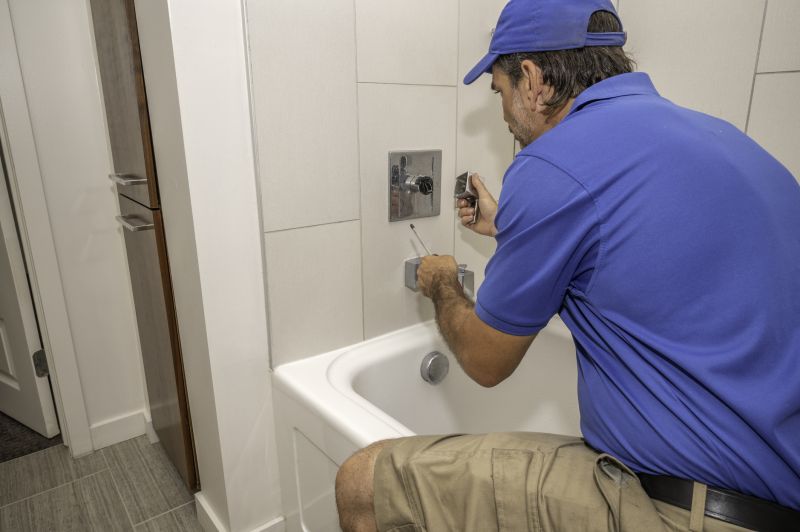
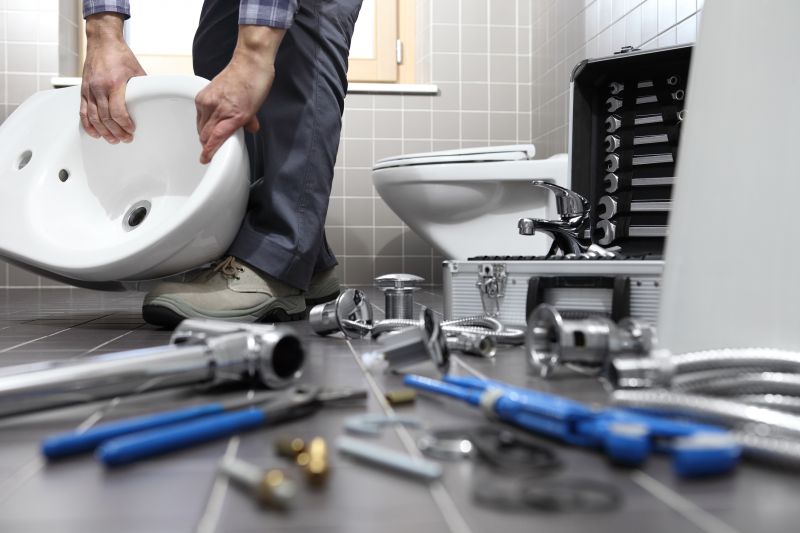
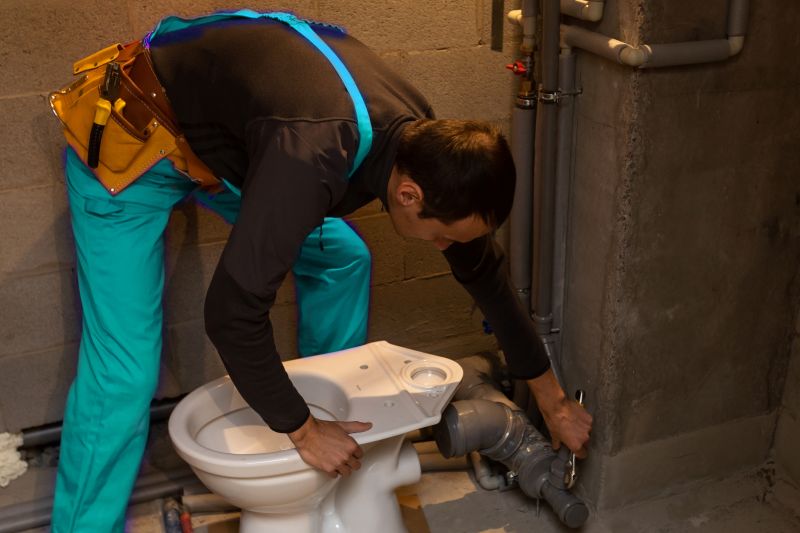
When searching for information about plumbing considerations when adding a bathroom to a home, homeowners are typically exploring the essential factors that influence the feasibility and success of such a project. This includes understanding how existing plumbing systems will accommodate a new fixture, what modifications might be necessary, and how to ensure proper water supply and drainage. Many people are planning to convert unused spaces, such as basements, attics, or large closets, into functional bathrooms, which requires careful assessment of the current plumbing infrastructure. The goal is to create a comfortable, functional space without disrupting the home's overall plumbing system or causing future issues like leaks or drainage problems.
This topic often relates to a variety of problems and plans that homeowners face when expanding or renovating their homes. Common concerns include ensuring adequate water pressure, designing efficient drainage routes, and preventing cross-contamination between supply lines. It’s also important to consider local building codes and regulations that may impact plumbing layout and fixture placement. Homeowners may be dealing with older properties where existing plumbing needs upgrades or repairs, or they might be working within new construction projects that require careful planning from the start. Addressing these plumbing considerations early helps prevent costly modifications later and ensures the new bathroom functions smoothly.
The types of properties that typically come up in discussions about adding a bathroom include single-family homes, townhouses, and multi-unit buildings. In older homes, the challenge often lies in integrating new plumbing with outdated systems, which may require rerouting or replacing pipes. In newer constructions, the focus is usually on optimizing space and ensuring compliance with local standards. Multi-story homes and properties with limited access to existing plumbing lines may need more extensive work, such as installing new drain stacks or water lines. Local service providers experienced in bathroom plumbing installation can assess these property types and recommend solutions tailored to the specific layout and infrastructure, helping homeowners navigate the complexities involved.
Understanding plumbing considerations when adding a bathroom to a home is crucial for ensuring the project’s success. Proper planning and expert guidance from local contractors can help address potential issues related to water supply, drainage, and fixture placement. These professionals can evaluate existing plumbing systems, identify necessary upgrades, and design efficient layouts that meet both functional needs and code requirements. Connecting with experienced service providers ensures that the plumbing work integrates seamlessly with the home’s infrastructure, reduces the risk of future problems, and results in a bathroom that is both practical and durable. This approach helps homeowners realize their renovation goals with confidence, knowing that plumbing considerations are thoroughly addressed from the start.
Kitchen Plumbing Renovations - These projects involve rerouting and installing plumbing systems, sharing skills in pipe fitting and fixture connections relevant to bathroom additions.
Basement Bathroom Conversions - Converting basement spaces into bathrooms requires careful planning of drainage and water supply, similar to considerations when adding a new bathroom to a home.
Laundry Room Plumbing Installations - Installing or upgrading laundry room plumbing involves similar pipework and fixture setup, making it comparable to bathroom plumbing considerations.
Garage Plumbing Projects - Adding plumbing fixtures in garages, such as utility sinks, involves planning for water supply and drainage, aligning with bathroom plumbing installation skills.
Kitchen Sink and Fixture Installations - Installing or replacing sinks and fixtures in kitchens requires understanding of plumbing layouts, which is relevant to bathroom plumbing considerations.
Wet Bar Plumbing Setup - Installing wet bars involves plumbing for sinks and drainage, sharing planning and installation skills with bathroom addition projects.
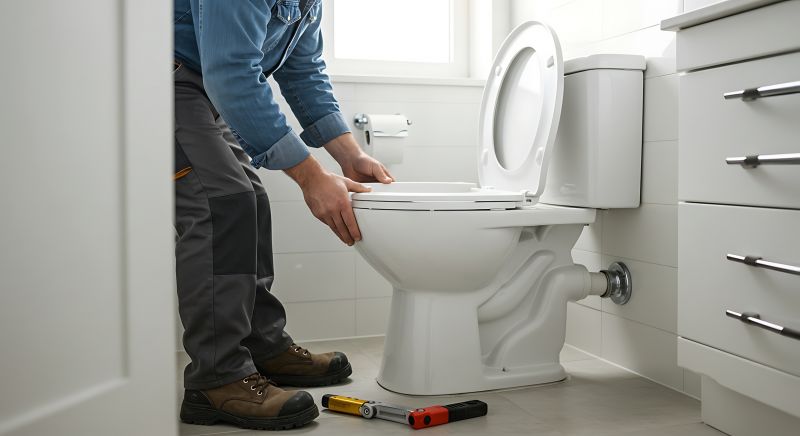
When evaluating service providers for bathroom plumbing installation, it’s important to consider their experience with similar projects. Homeowners should inquire about the contractor’s background in handling bathroom additions, specifically focusing on plumbing considerations when adding a bathroom to a home. A contractor with a proven track record in these types of projects can better anticipate potential challenges and ensure that the plumbing work meets the necessary standards. This experience can help prevent common issues such as improper drainage, inadequate venting, or future leaks, making it a key factor in choosing a reliable service provider.
Clear written expectations are essential when comparing local contractors for bathroom plumbing installation. Homeowners should seek detailed estimates that outline the scope of work, including the installation of pipes, fixtures, and any necessary modifications to existing plumbing systems. Having a comprehensive plan helps ensure that both parties understand the responsibilities and deliverables involved in addressing plumbing considerations when adding a bathroom to a home. Clear communication about what is included in the service can minimize misunderstandings and provide a solid foundation for a successful project.
Reputable references and good communication are vital components when selecting local service providers. Homeowners are encouraged to ask for references from previous clients who had similar bathroom plumbing projects completed. This feedback can offer insights into the contractor’s reliability, quality of work, and ability to manage plumbing considerations effectively. Additionally, service providers who prioritize open and transparent communication tend to be more responsive and better equipped to address questions or concerns throughout the project. These qualities contribute to a smoother process and a more confident decision when choosing a contractor for bathroom plumbing installation services.
Property owners often search for plumbing considerations when adding A bathroom to A home when they are planning practical projects around their homes and businesses. Local pros provide Bathroom Plumbing Installation services for everyday jobs and straightforward project options.
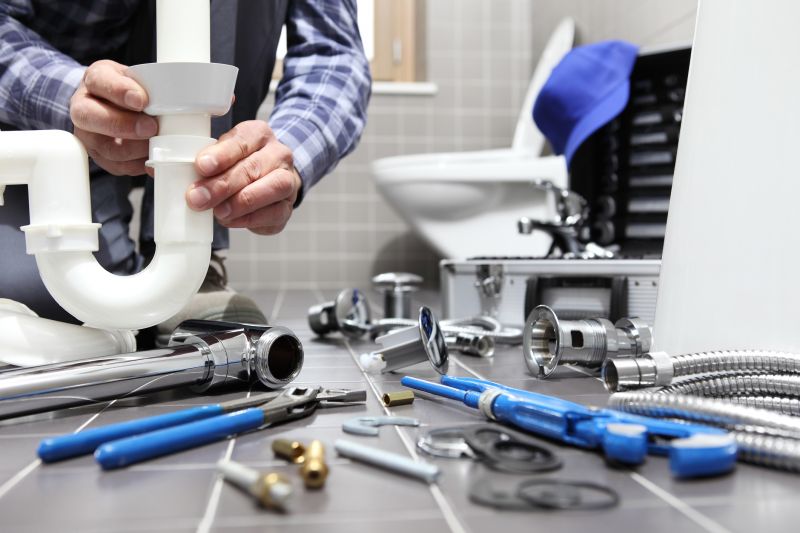
When considering the addition of a bathroom to a home, property owners often look into plumbing considerations to ensure the new space functions properly and efficiently. Common questions include how to connect the new bathroom to existing water and drain lines, as well as how to handle potential space constraints or existing infrastructure limitations. Homeowners in the area may seek out local contractors who specialize in bathroom plumbing installation to help navigate these challenges, ensuring the plumbing setup meets the household’s needs and adheres to local building standards.
Many property owners also consider the practical aspects of plumbing when planning a bathroom addition, such as the placement of fixtures, water pressure requirements, and venting systems. These factors can affect the overall success of the project and prevent future issues like leaks or drainage problems. Connecting with experienced service providers can help address these plumbing considerations early in the process, providing peace of mind that the new bathroom will be both functional and reliable in the long run.
What plumbing considerations are important when adding a bathroom to a home? Ensuring proper drainage, adequate water supply lines, and correct venting are essential plumbing considerations. Local contractors can evaluate existing systems and plan for seamless integration of new plumbing to prevent issues.
How does adding a bathroom affect existing plumbing infrastructure? Adding a bathroom may require extending or modifying current water and drain lines, which local service providers can assess to ensure compatibility and proper function without disrupting existing systems.
What should be checked regarding water pressure when installing a new bathroom? It's important to verify that the home's water pressure can support additional fixtures. Local plumbing experts can evaluate pressure levels and recommend solutions if adjustments are needed.
Are there specific plumbing codes or regulations to consider when adding a bathroom? Yes, local contractors are familiar with plumbing codes that govern fixture placement, venting, and drainage standards, helping to ensure the installation complies with all regulations.
How can a professional handle the challenges of connecting a new bathroom to existing plumbing? Experienced service providers can evaluate the current plumbing system, design effective connections, and address potential challenges such as space constraints or system capacity to ensure reliable operation.
Assess existing plumbing layout - Evaluating current plumbing infrastructure helps property owners determine the best location for a new bathroom with the help of local contractors.
Plan for drain and venting systems - Properly designing drainage and venting ensures efficient waste removal and prevents potential future issues, which local pros can assist with.
Consider water supply access - Ensuring there is adequate access to hot and cold water lines is essential, and local service providers can help reroute or extend supply lines if needed.
Address space and structural factors - Evaluating room size, wall integrity, and access points allows property owners to work with local pros to optimize bathroom placement and plumbing connections.
If you are thinking about plumbing considerations when adding A bathroom to A home for a property, this guide is meant to help you understand this topic, the typical project types, and how different options might fit your plans.
When you are ready, you can use the quote form on this page to share a few details about your project. From there, local pros can review the basics and follow up with options that match what you have in mind.